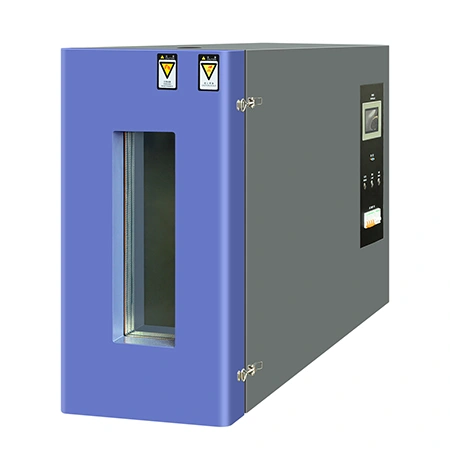
High Temperature Test Chamber
High temperature test chambers are used during mechanical tests to see how heat or cold affects a material. The specimen stays inside the chamber at a set temperature as the testing machine pulls, compresses, or bends it. The results show whether the temperature changes the material’s strength or the way it deforms. These testing accessories can be used to test metals, plastics, composites, and other materials for aerospace, automotive manufacturing, new material development, and quality inspection.
Specifications
| Temperature Range | -60~150, -60~300, -60~350℃ |
| Temperature Gradient | ≤±2℃ (below 200℃); ≤±3.5℃ (≥200℃) |
| Temperature Fluctuation | ≤±1℃ |
| Temperature Deviation | ≤±2℃ (below 200℃); ≤±3.5℃ (≥200℃) |
| Temperature Controller Display Accuracy | ≤±1℃ |
| Power | 2~4 kW |
| Others | Observation window fitted at the center of the chamber door; no observation window for 350℃ model |
| Operating Environment | Well-ventilated and easy for heat dissipation; ambient temperature: 5℃~35℃ |
Features
- High temperature chambers operate in a temperature range of −70°C to +350°C and can reproduce cold, heat, and temperature-cycling conditions.
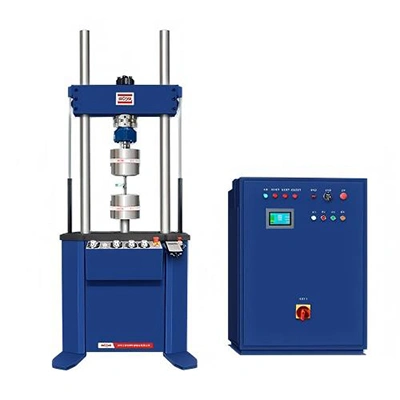
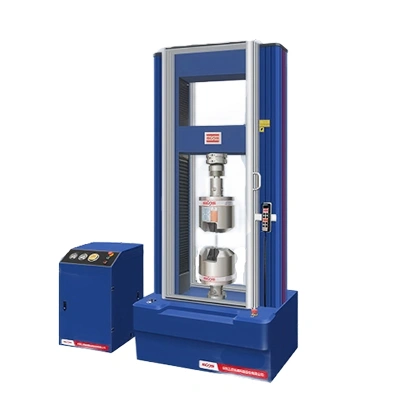
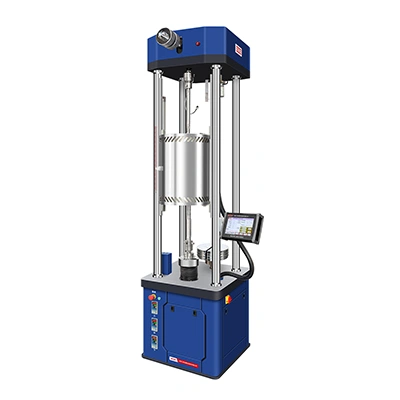
- They work with universal testing machines, fatigue testing machines, and equipment used to test composite materials.
- Temperature controls maintain the conditions specified for each stage of the test.
- Compatible test setups support tensile, compression, flexural, and fatigue testing.
- Widely used to perform material testing for aerospace, automotive manufacturing, rail transportation, research, and quality inspection.