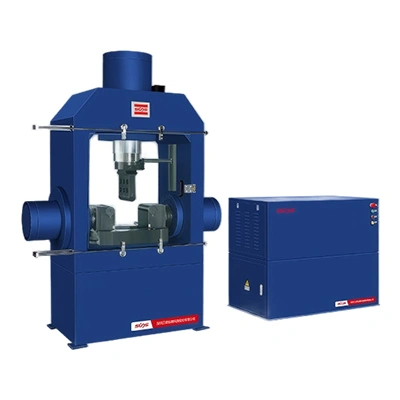
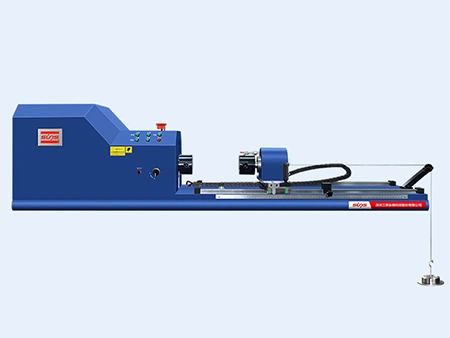
Metal Wire Torsion Testing Machine
Applicable Standards
- GB/T 239.1, GB/T 239.2, GB/T 10128, GB/T 4909.4, JJG 269, ISO 7800, ISO 9649, ISO 18338
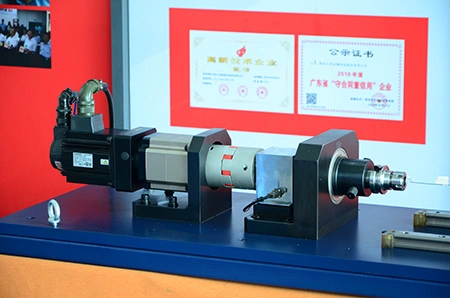
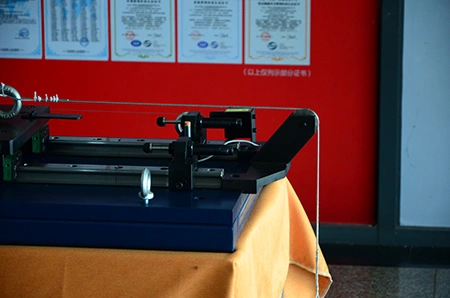
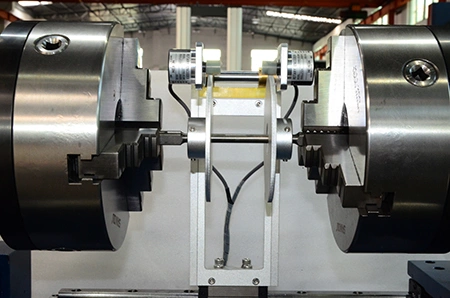
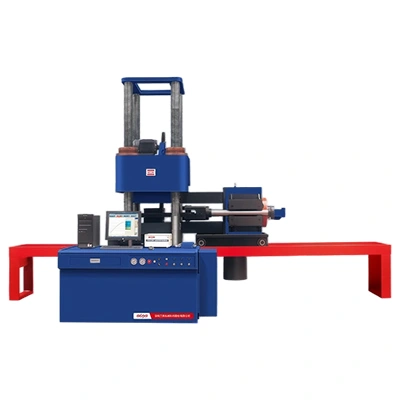
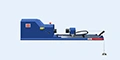
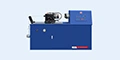
Metal wire torsion testing machines determine the number of turns a wire can endure before breaking and the way it deforms as the torque increases. The specimen is held horizontally by two aligned grips, with one end being rotated at a controlled speed by the drive and the torque sensor recording the force applied. The different test frames available can handle wire diameters ranging from ⌀0.1 mm to ⌀10 mm and can carry out either unidirectional or bidirectional torsion tests. The maximum torque and the number of turns until fracture show the wire's ductility and its ability for plastic deformation, while the way it fractures can also be used to detect surface or internal defects.
Specifications
| Item | Parameters |
| Max. Torque | 20N.m—500N.m |
| Torque Measurement Range | 1%-100%F.S |
| Accuracy | Class 0.5 |
| Accuracy of Torque | ±0.5% |
| Resolution of Torque | 1/500,000 |
| Wire diameter | ⌀0.1mm-10mm |
| Co-axiality of the two grips | < ⌀0.1mm/1,000mm |
| Straightness of moving guide rail | < 0.2mm/1,000mm |
| Max. distance between the two chucks | 400mm |
| Rotating speed | 6–21,600°/min |
| Wrapping speed | 10–60r/min |
| Torsion angle meter resolution | 0.0045° |
| Resolution of counting | 360°/r |
| Hardness of gripper | HRC55–65 |
| Tension force of weight for torsion | Less than 2% of tension for relevant force for nominal tensile strength |
| Stressed weight for wrapping: | Less than 5% of tension for relevant force for nominal tensile strength |
| Power supply | 380V±10% AC, 50Hz,3,000W |
| Dimension (L*W*H) | 1,500mm×515mm×950mm |
| Weight | Approx. 220kg |
Applicable Wire Materials
- Carbon steel, alloy steel, and austenitic or martensitic stainless-steel wires
- Copper wires, including enameled conductors, as well as aluminum and aluminum alloy wires
- Titanium alloy and nickel-based alloy wires
- Single-strand and multi-strand conductors for electrical cables and overhead lines
- Insulated conductors, wires for bolts and rivets, and composite monofilament or multifilament materials
Testing Accessories