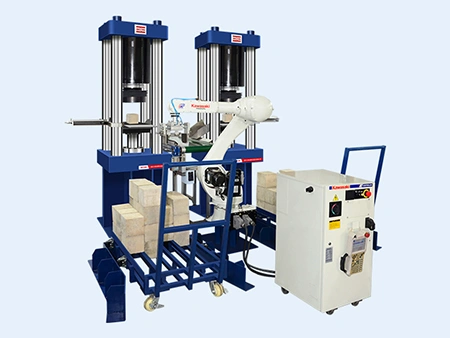
Automatic Compression Testing System
Applicable Standards
- GB/T 2611, GB/T 3159, GB/T 50081, GB/T 50081, GB/T 17671, GB/T 9966.1, GB/T 228.1, GB/T 246, GB/T 3077, GB/T 1041-, GB/T 7757, GB/T 4842, GB/T 1448, ASTM C39/C39M-23, ISO 6892-1, ISO 6784, ISO 13003, JB/T 8763
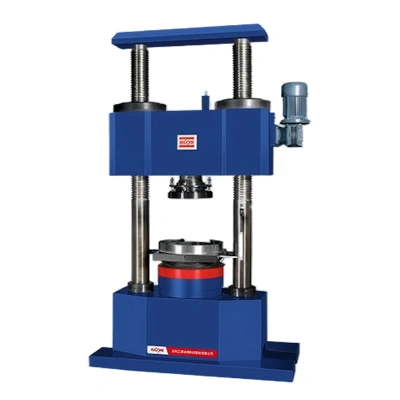
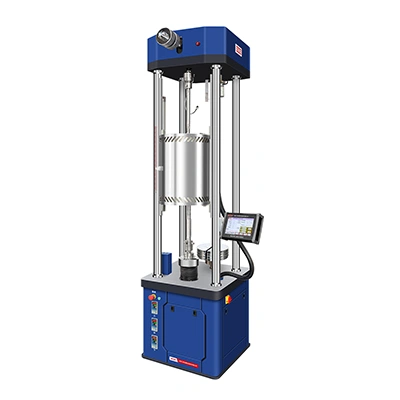
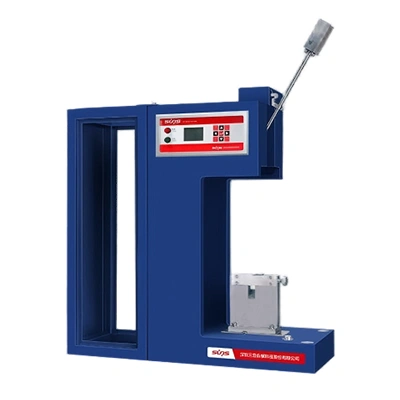
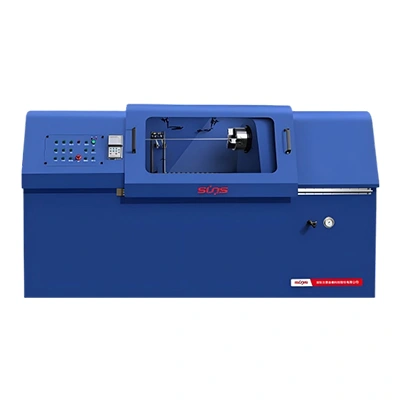
Automatic compression testing systems use electro-hydraulic servo control to apply and regulate the load during static compression and flexural tests. They test metals, construction materials, and other non-metallic materials with the appropriate fixtures and test settings for the relevant GB, ISO, or ASTM method. They are equipped with handling equipment to move specimens through the testing sequence with minimal operator involvement, which is useful for routine testing in construction, metallurgy, research, and quality inspection.
Specifications
| Capacity (kN) | 2,000 |
| Ram Stroke (mm) | 200 |
| Loading Speed (mm/min) | 80 |
| Compression Platens (mm) | ⌀294 |
| Test Height (mm) | 300 |
| Accuracy Grade | 0.5 |
| Loading Rate Range | 0.02%–2%FS |
| Force Measuring Range | 10%–100% of full scale |
| Test Force Resolution | 1/500,000 of full scale |
| Relative Indication Error of Test Force | ±0.5% |
| Displacement Accuracy (mm) | 0.016 |
| Specimen (mm) | 150×150×150, 100×100×100 |
| HPU Dimensions (L×W×H) (mm) | 1,350×600×900 |
| Power (kW/V) | 6/380 |
| Robot Working Radius (mm) | 1,725 |
Features
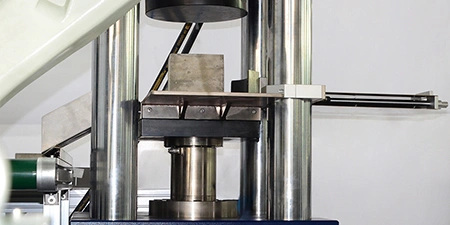
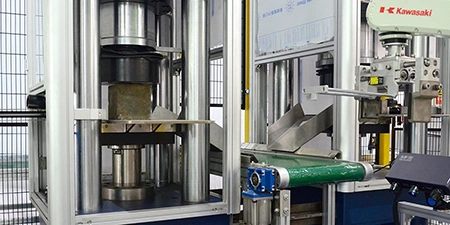
- Two electro-hydraulic servo compression testing machines perform the tests, with a hydraulic power supply, hydraulic system, fixtures, and servo controls to apply and regulate the required load.
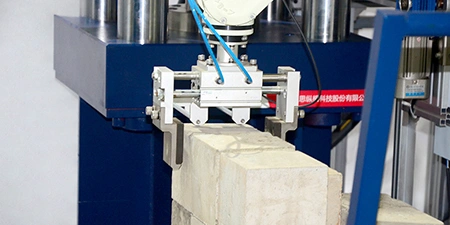
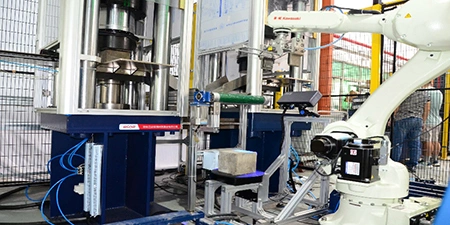
- Specimen transfer relies on a six-axis robotic arm, a specimen tray, and a pushing device, while a pneumatically operated protective cover shields the testing area.
- Before testing begins, the positioning equipment moves the trolley and specimens into place. The scanner identifies each specimen and reads its recorded dimensions, then the handling equipment aligns it for loading.
- After loading and unloading the specimens automatically, the handling equipment sorts and stacks the tested specimens according to their results and sends discarded material to the waste collection unit.
Testing Accessories